The Art of Sitting: Understanding Your Cat’s Unique Postures and What They Mean
Cats are fascinating creatures, filled with peculiar quirks and endearing behaviors. Among the many ways a cat communicates, its body language—especially its sitting postures—provides profound insights into its emotional state, health, and personality. Understanding what a cat’s sitting posture reveals can improve your bond with your feline friend, ensuring you can respond better to their needs and concerns.
The Importance of Postures in Feline Communication
Understanding your cat’s body language is crucial in recognizing its mood and intentions. One significant aspect of feline body language is the way they sit. A cat’s posture can express a wide range of emotions, including contentment, curiosity, aggression, and even fear. Observing these postures can help cat owners interpret what their cats are feeling in various situations.
Common Cat Sitting Postures
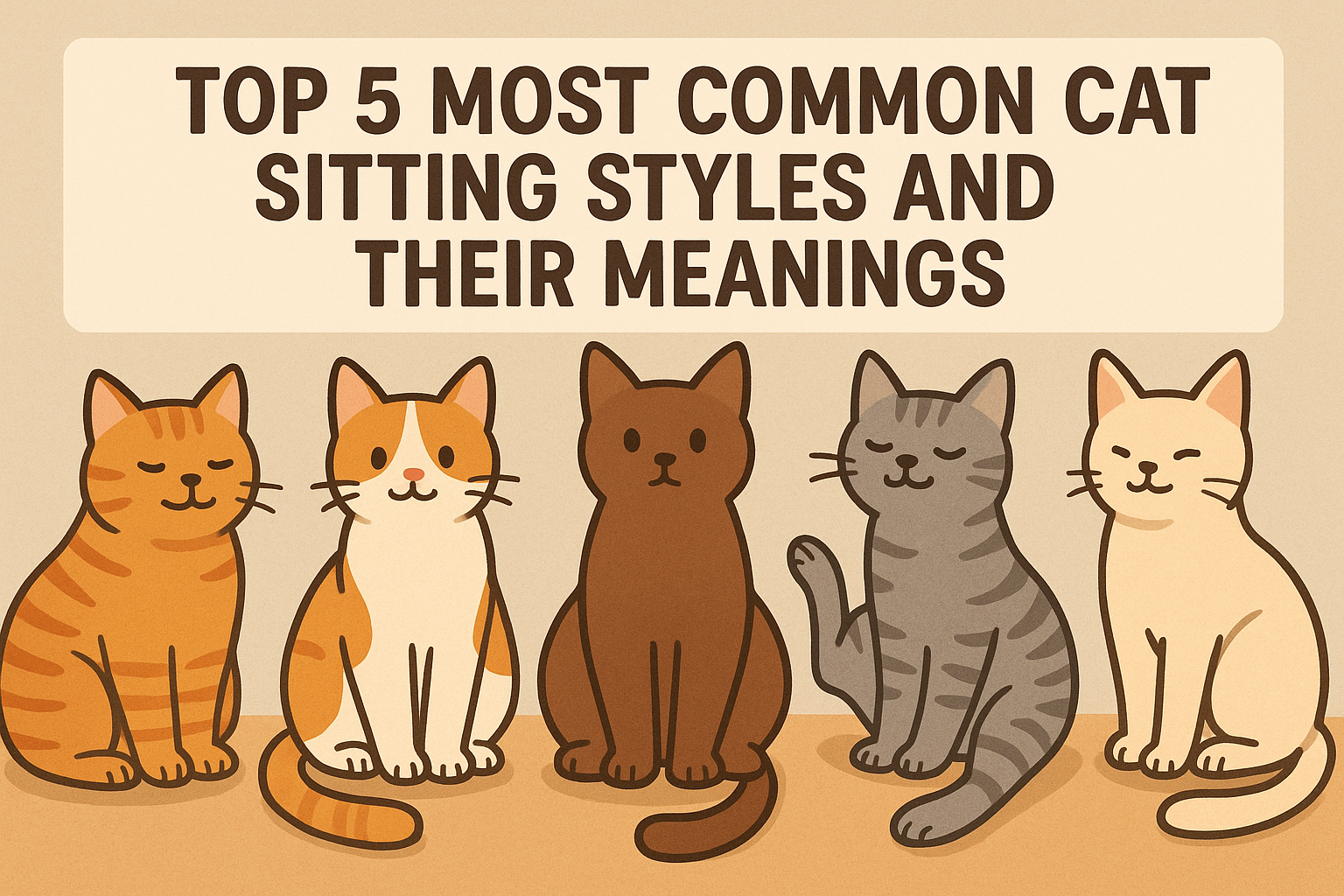
Below are some common sitting postures observed in cats and what they might indicate about your feline’s state of mind:
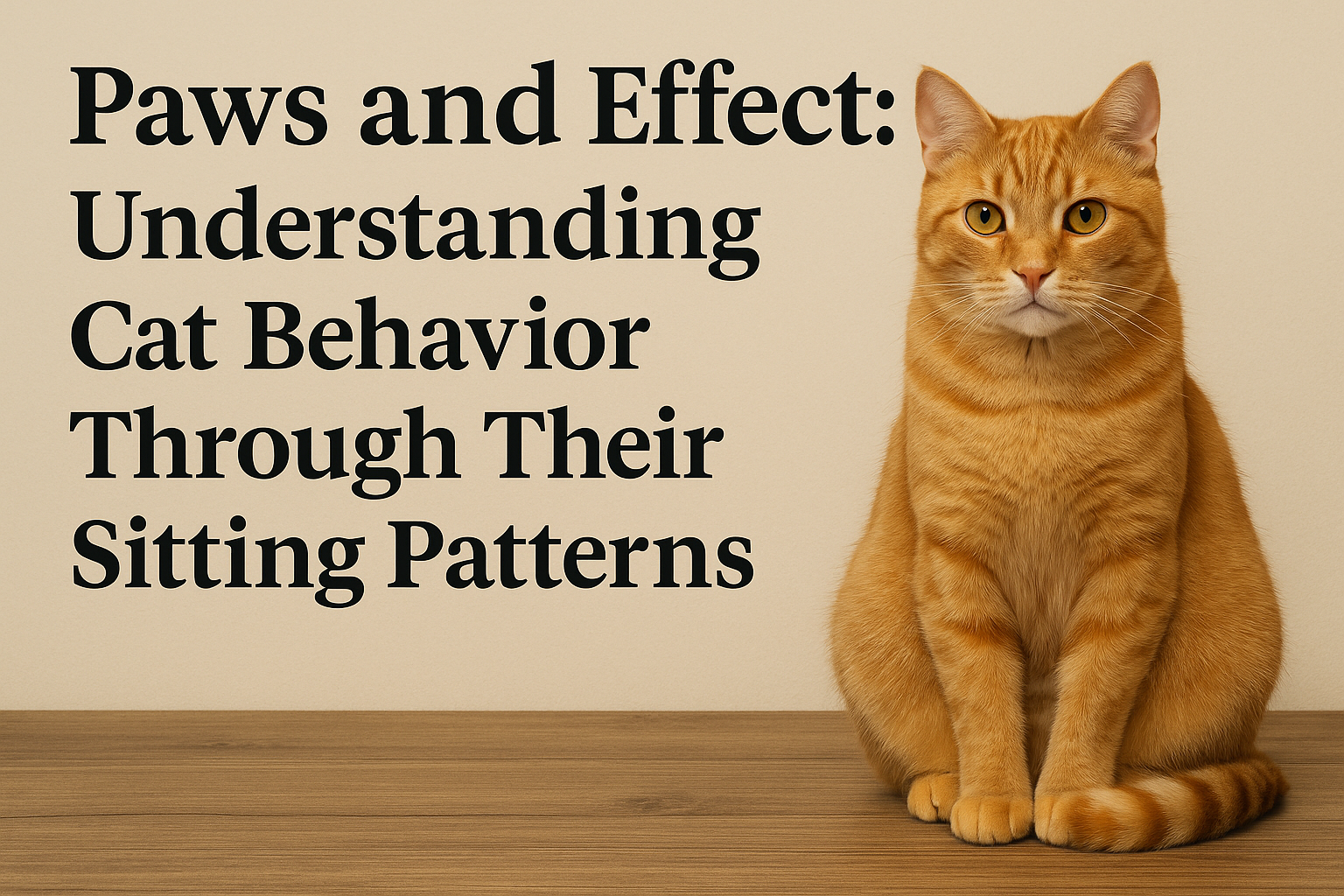
1. The Classic Sit
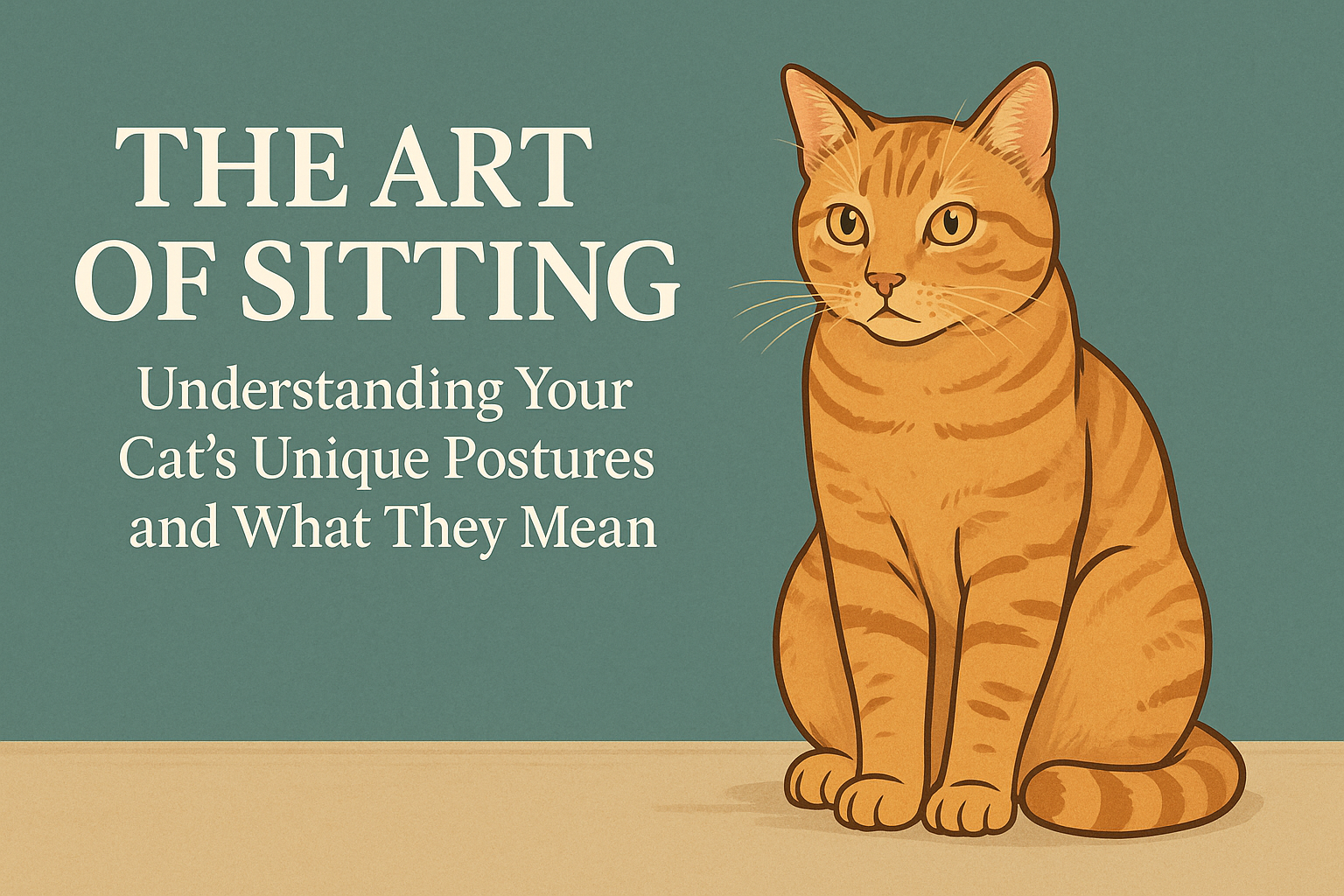
This is the classic upright sitting posture where the cat has its back straight, tail curled around or beside it, and ears facing forward. This posture indicates that the cat is calm, confident, and feels safe in its environment.
2. The Loaf Position
When cats sit in a loaf position, with their paws tucked under their bodies and their tails neatly wrapped around, they are typically feeling relaxed and content. This position often signifies that they are comfortable and at ease in their surroundings, allowing them to be prepared for immediate action if needed.
3. Sphinx Pose
Similar to the loaf position, the sphinx pose has the cat lying down with its chest raised, but its paws are often placed on top of one another. This position indicates curiosity and attentiveness, suggesting that the cat is focused on its surroundings but still feels secure and relaxed.
4. Side Sit
When a cat sits sideways, displaying its side to you, it can be seen as an invitation for interaction or play. This posture often means the cat is comfortable with you being nearby, but it can also indicate a state of energy where your cat might be looking to engage in some activity.
5. The Crouch
A crouching cat will have its front legs bent and its body low to the ground. This position can signal that the cat is alert and ready to spring into action, whether to play, hunt, or escape. It can also denote fear or anxiety, especially if accompanied by flattened ears or a twitching tail.
6. The Reclined Sit
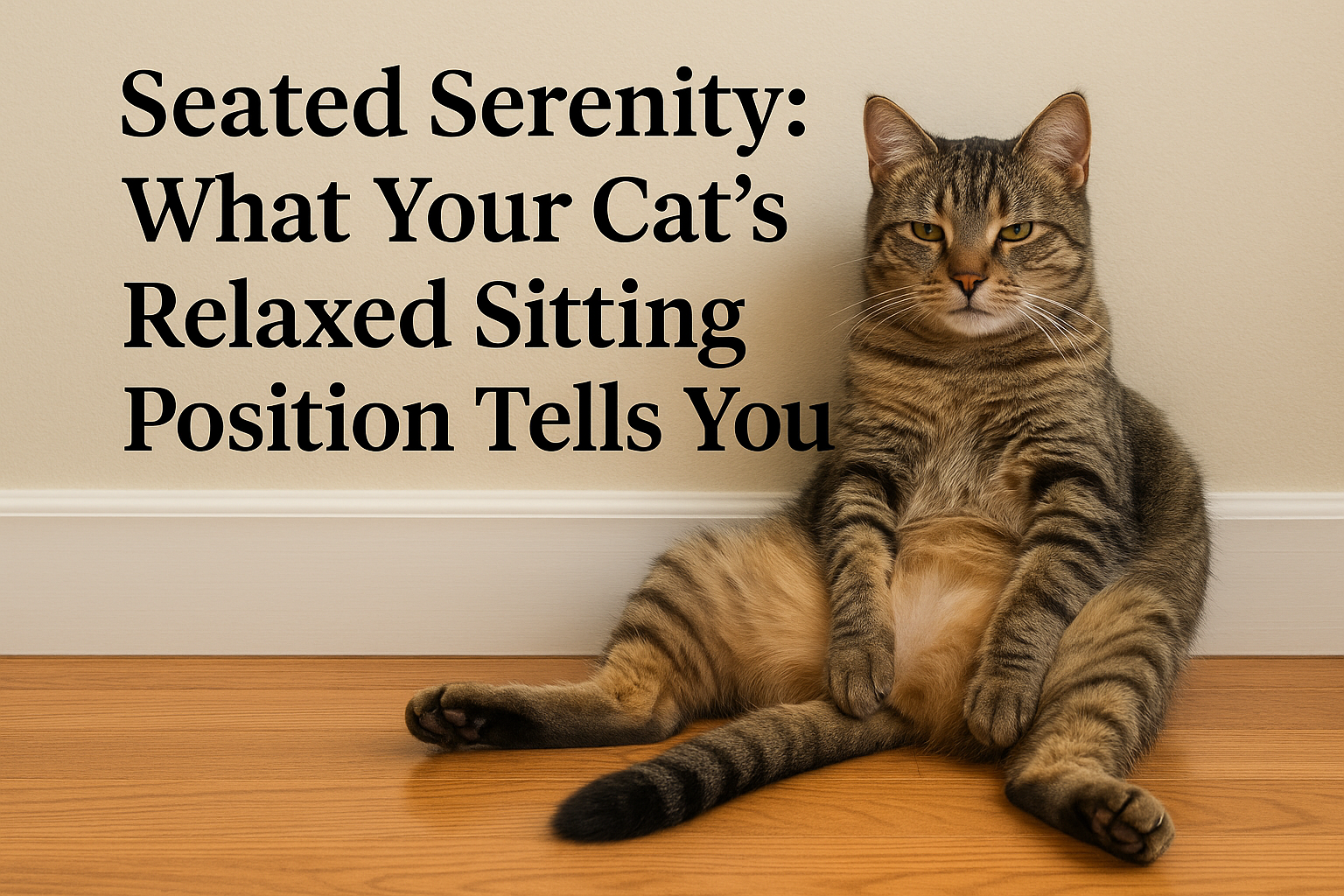
When cats sit back on their haunches, leaning slightly to one side, it often signals that the cat is relaxed but also in a state of submission. This position can show trust towards their human or other pets, making them feel safe enough to expose their belly.
7. The Tail Flick
A flicking tail while a cat is sitting can indicate annoyance or irritation. If your cat is positioned upright and the tail is moving rapidly from side to side, it may feel agitated or overstimulated. It’s essential to pay attention to this cue and allow the cat some space to calm down.
Assessing the Context of Sitting Postures
While specific sitting postures provide insights into a cat’s emotions, the context in which they sit is equally vital. Here are factors to consider when interpreting your cat’s sitting posture:
1. Environment
Where your cat is sitting can significantly influence its posture. A familiar, cozy environment may encourage relaxed positions, while a new or stressful location might result in more defensive or alert stances.
2. Social Interactions
The presence of other pets or people can affect a cat’s body language. Siting postures may vary depending on whether they feel comfortable with those around them or if they feel threatened.
3. Time of Day
Cats are naturally crepuscular, meaning they are most active at dawn and dusk. Their sitting postures can change in the evening or early morning when they may be more alert and ready to hunt compared to the relaxed positions during the day when they might be napping.
Why Understanding Cat Postures is Important
Recognizing your cat’s sitting postures has several benefits:
- Strengthening Bonds: Understanding your cat’s comfort levels fosters trust and affection between you and your pet.
- Identifying Stress or Discomfort: Body language can reveal when a cat is feeling stressed or unwell, allowing you to take action before any issues escalate.
- Enhancing Playtime: Knowing your cat’s postures helps create engaging play scenarios, ensuring your cat feels comfortable and fulfilled.
- Improving Overall Care: Being attuned to these signals allows you to provide better general care, encompassing health, well-being, and even choosing an appropriate environment for your feline friend.
Conclusion
The versatile and intricate postures that cats adopt while sitting provide a fascinating window into their emotional and mental states. By taking the time to observe, understand, and respond to these signals, cat owners can significantly enhance their relationship with their feline companions. Cats communicate in subtle ways, and by learning the art of sitting, we can ensure a more harmonious coexistence, marked by trust and connection.
FAQs
- 1. Do all cats adopt these postures in the same way?
- No, each cat has its individual personality. While many postures can be generalized, factors like age, breed, and degree of socialization can influence how a cat chooses to sit.
- 2. How can I tell if my cat is stressed or anxious when sitting?
- Signs of stress can vary, but common indicators include crouching, tail flicking, flattened ears, and wide-eyed expressions. If you notice these signs, it’s essential to assess your cat’s environment and comfort level.
- 3. Is it normal for my cat to sit in unusual positions?
- Cats are known for their quirky behaviors! If your cat sits in a unique position and seems happy, calm, and healthy, there is probably no need for concern.
- 4. How can I create a more comfortable environment for my cat?
- Provide plenty of cozy, safe spaces for your cat to relax, ensure they have access to their litter box, water, and food, and minimize stress factors like loud noises or disruptive movements.
- 5. Can I train my cat to adopt more desirable sitting postures?
- While you can’t change a cat’s natural behavior, you can encourage it to feel more comfortable in your environment by providing positive reinforcement when it sits calmly or comfortably.